








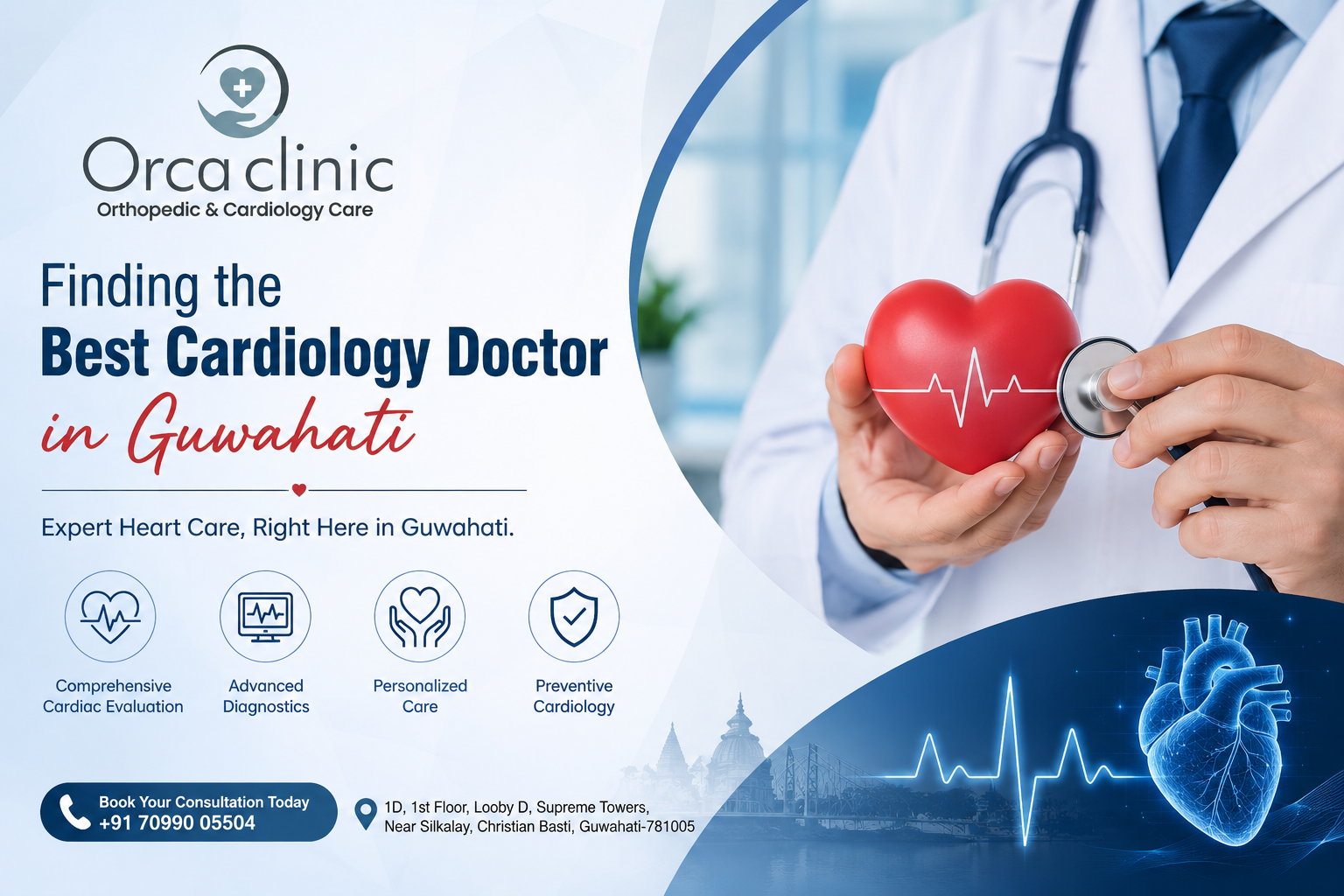
How to Find the Best Cardiology Doctor in Guwahati and Why It Matters More Than You Think
There is a moment most of us have experienced a slight heaviness in the chest after climbing stairs, an irregular heartbeat that lasts a second too long, or a fatigue that just will not go away no matter how much you rest. We tell ourselves it is stress, or the heat, or maybe just age. But somewhere in the back of our minds, a question lingers: Should I see a heart doctor?
If you are in Guwahati and that question has crossed your mind, this guide is for you. Not just to help you find a cardiologist, but to help you understand what good cardiac care actually looks like and why choosing the right doctor from the start can change everything.
Why Heart Health Cannot Wait in Assam
Guwahati is a growing city. With that growth has come a change in lifestyle longer working hours, less physical activity, diets heavier in processed foods, and stress levels that never quite switch off. Cardiologists across the Northeast have been noticing this shift for years.
According to national health data, cardiovascular disease is now one of the leading causes of premature death among working-age adults in India. In Assam, this trend is very real. People in their 30s and 40s are presenting with hypertension, early-stage coronary artery disease, and cholesterol disorders that would have been considered “later life” problems just two decades ago.
This is not cause for panic. It is cause for awareness and for action.
A cardiology doctor does not just treat heart attacks. A good cardiologist helps you understand your risk profile, catches problems early through comprehensive cardiac evaluation, and works with you on the lifestyle and medical interventions that actually prevent serious events from happening.
What Makes a Cardiologist the “Best” Doctor for Your Heart?
When people search for the “best cardiology doctor in Guwahati” or “cardiologist best doctor near me,” they often do not know exactly what to look for beyond reviews and reputation. Here is what actually matters:
1. Training and Specialisation
A cardiologist is not simply a doctor who treats heart problems. They have completed specialised post-graduate training in cardiology following their MBBS and MD degrees. When choosing a cardiologist, look for credentials like DM Cardiology or DNB Cardiology, these are the gold standards in India.
2. Diagnostic Capability
Heart conditions are complex, and accurate diagnosis requires more than a stethoscope. A well-equipped cardiologist clinic near you should offer on-site diagnostics like ECG, ECHO, Holter monitoring, and TMT (Treadmill Test). These tools reveal what symptoms alone cannot the rhythm, structure, and functional capacity of your heart.
3. Personalised, Patient-Centred Care
No two hearts are the same. A truly excellent cardiologist takes time to understand your lifestyle, family history, risk factors, and concerns before arriving at a treatment plan. If a doctor feels rushed or dismissive during your consultation, that is important information.
4. A Focus on Prevention, Not Just Cure
The best cardiac care is the care that prevents a crisis. Preventive cardiology including cardiovascular risk screening, cholesterol management, and lifestyle counselling is as important as emergency treatment. Ask whether your cardiologist offers this proactively.
5. Long-Term Relationship
Heart health is not a one-visit concern. The best cardiology doctors build long-term relationships with their patients, tracking changes over time and adjusting management strategies as needed.
Orca Clinic: A Trusted Cardiologist Clinic in Guwahati
Located at 1D, 1st Floor, Looby D, Supreme Towers, Near Silkalay, Christian Basti, Orca Clinic has been serving patients across Guwahati and the broader Northeast region for over 11 years. It operates as a multi-specialty centre combining expert orthopedic and cardiology care under one roof.
The cardiology practice at Orca Clinic is led by Dr. Shilpi Lahoty, a dedicated heart specialist known for her patient-first approach and clinical thoroughness. Patients who visit describe a consultation experience that feels unhurried, one where their questions are actually answered, not just acknowledged.
What the Cardiology Department at Orca Clinic Offers
The clinic’s cardiac services are designed to cover the full spectrum of heart health needs:
Comprehensive Cardiac Evaluation This goes far beyond a standard checkup. The comprehensive cardiac evaluation at Orca Clinic includes a detailed personal and family history review, clinical examination, and diagnostic work-up tailored to your specific risk factors. Whether you are experiencing symptoms or simply want peace of mind, this evaluation provides a clear picture of where your heart health stands.
ECG, ECHO, Holter & TMT Testing Having diagnostics available in-clinic is a significant advantage. It saves time, ensures continuity of care, and means your cardiologist is interpreting your results directly not receiving a report from a third party days later. Orca Clinic offers all four major non-invasive cardiac tests: ECG, ECHO, Holter monitoring, and TMT, making it a genuinely capable cardiologist clinic for patients in Guwahati.
Hypertension and Lipid Management High blood pressure and elevated cholesterol are often called “silent killers” because they cause no obvious symptoms until significant damage has already occurred. The hypertension and lipid management programme at Orca Clinic combines medical treatment with practical lifestyle guidance, helping patients keep these conditions firmly under control.
Preventive Cardiology For patients who have no current symptoms but are concerned about their risk due to family history, weight, stress levels, or age the preventive cardiology services at Orca Clinic offer exactly the kind of proactive care that modern medicine recommends. Risk stratification, early screening, and personalised prevention plans are available.
Signs You Should See a Cardiology Doctor Soon
Many people delay visiting a cardiologist because they are unsure whether their symptoms are serious enough. Here are signs that warrant an appointment not next month, but soon:
- Chest pain, pressure, or tightness, especially with activity
- Shortness of breath at rest or with minimal exertion
- Palpitations — a fluttering, racing, or pounding heartbeat
- Dizziness or light-headedness, particularly when standing
- Unexplained fatigue that persists despite adequate rest
- Swelling in the legs or ankles
- A family history of heart disease, especially in first-degree relatives before age 55
If you have diabetes, hypertension, are a smoker, or are above 40 with no prior cardiac evaluation, visiting a cardiologist is a wise preventive step even without symptoms.
We also covered this topic in detail in our earlier piece on subtle heart trouble signs women often miss, which is worth reading if you or a woman in your life has been brushing off unexplained fatigue or discomfort.
What to Expect at Your First Cardiology Appointment
Many people feel anxious about visiting a heart doctor, often because they are afraid of what they might find out. Understanding the process can help ease that anxiety.
At Orca Clinic, a first consultation typically includes:
- A detailed history intake — your symptoms, lifestyle, family history, and existing medications
- A clinical examination — blood pressure, pulse, heart and lung sounds
- Baseline diagnostics — usually an ECG, and further tests like ECHO or Holter if indicated
- A clear discussion of findings — what was found, what it means, and what the next steps are
- A personalised plan — which may include lifestyle changes, medication, follow-up tests, or all three
There is no pressure and no rush. The goal is for you to leave with a clear understanding of your heart health and a concrete path forward.
Is Your Lifestyle Affecting Your Heart Without You Realising?
This is one of the questions we explored in our blog on lifestyle habits that harm both your heart and joints. The connection between daily habits and cardiovascular risk is stronger than most people appreciate.
Sedentary behaviour, poor sleep, chronic psychological stress, high sodium and sugar intake, and smoking all have measurable effects on heart function over time. The encouraging news is that lifestyle changes even modest ones can meaningfully reduce cardiac risk, sometimes more effectively than medication alone.
A cardiologist can help you identify which specific changes matter most for your individual risk profile, rather than following generic advice that may not apply to you.
Winter, Monsoon, and Your Heart: Why Season Matters in Assam
If you have been following our blog, you may have read our article on winter strategies for healthy bones and heart in Assam’s climate. It covers something many patients do not realise: seasonal variation genuinely affects cardiovascular health.
Cold weather causes blood vessels to constrict, raising blood pressure and placing extra strain on the heart. Even Assam’s relatively mild winters can create these effects in older adults and those with existing heart conditions. This is why winter and the early months of the year tend to see a spike in cardiac events.
If you have been putting off a cardiac checkup, the start of a new season is always a good prompt to finally book that appointment.
Frequently Asked Questions About Cardiology Doctor in Guwahati
Q1: What is the difference between a cardiologist and a general physician for heart problems?
A general physician (GP) is trained across all body systems and is excellent for managing common illnesses and routine health checks. A cardiologist has advanced, specialised training specifically in the heart and cardiovascular system. For anything beyond a basic blood pressure check or cholesterol reading including chest pain evaluation, arrhythmia management, or cardiac diagnostics, you should see a cardiologist. Your GP may be the one who first identifies a concern and refers you, but for definitive diagnosis and management of heart conditions, a specialist is essential.
Q2: How do I know if the cardiologist clinic near me is well-equipped?
At minimum, a cardiologist clinic should be able to perform an ECG on-site. A well-equipped clinic will additionally offer ECHO (echocardiogram), Holter monitoring (a 24-hour heart rhythm recording), and TMT (Treadmill Test). These four diagnostics together allow a cardiologist to evaluate the heart’s structure, rhythm, and stress response without needing to refer you elsewhere. Orca Clinic provides all four in-house.
Q3: I have no symptoms. Do I still need to see a cardiology doctor?
Yes, especially if you have risk factors. Many serious heart conditions, including coronary artery disease and hypertension, develop silently for years before producing noticeable symptoms. A proactive cardiac evaluation helps identify these risks early, when intervention is most effective. If you are over 35 and have never had a cardiac screen, or if you have a family history of heart disease, seeing a cardiologist preventively is genuinely worthwhile.
Q4: Can a cardiologist help with anxiety-related palpitations?
Yes. Palpitations can have multiple causes anxiety and stress are among the most common, but so are thyroid disorders, anaemia, and true cardiac arrhythmias. A cardiologist will evaluate your palpitations thoroughly, including with a Holter monitor if needed, to determine whether the cause is cardiac or non-cardiac. This distinction matters because the treatment approach is completely different. Once a cardiac cause is ruled out, you can pursue the appropriate support for anxiety or other contributing factors.
Q5: What is preventive cardiology and who is it for?
Preventive cardiology focuses on identifying and managing risk factors before a cardiac event occurs. It is for people who want to stay ahead of heart disease rather than react to it. This is particularly relevant for individuals with a family history of early heart disease, those with hypertension, high cholesterol, or diabetes, smokers, and people with sedentary lifestyles or high stress levels. Our preventive cardiology services at Orca Clinic are designed to be practical and personalised not a one-size-fits-all checklist.
Q6: Is Dr. Shilpi Lahoty available for consultations regularly at Orca Clinic?
Yes. Dr. Shilpi Lahoty sees patients at Orca Clinic Monday through Saturday during clinic hours. You can book an appointment directly through the contact page or by calling the clinic. For those with busy schedules, the evening clinic hours (5:30 PM to 7:30 PM) make it easier to attend without taking time off work.
Q7: Can I get a heart screening at Orca Clinic even if I am young?
Absolutely. The trend of earlier-onset cardiovascular risk means that heart screenings are no longer only relevant for those above 50. If you are in your 30s or 40s and have any risk factors including stress, poor diet, smoking, or family history an early cardiac evaluation makes very good sense. The early heart screening checklist for Guwahati residents on our blog outlines exactly what to look for and what to discuss with your doctor.
Q8: What is the first step to visiting a cardiologist at Orca Clinic?
Simply call us at +91-9864306066 or visit the appointment page on our website. The first consultation is free, and you do not need a prior referral. Bring any previous medical reports, test results, or a list of current medications if you have them. these help the cardiologist get the most complete picture from your very first visit.
The Bottom Line
Finding the best cardiology doctor in Guwahati is not just about searching online and picking the top result. It is about finding someone with the right qualifications, the right diagnostic tools, and the kind of patient care philosophy that makes you feel heard rather than processed.
At Orca Clinic, that combination is what we have built over more than a decade of practice in Guwahati. Whether you are experiencing symptoms, concerned about your family history, or simply overdue for a cardiac check-up, our cardiologist is here to help you make sense of what is happening with your heart and what to do about it.
Your heart is not something to put on the back burner. It is the reason everything else keeps going.
📞 Call us: +91-9864306066
📍 Location: 1D, 1st Floor, Looby D, Supreme Towers, Near Silkalay, Christian Basti, Guwahati – 781006
🕐 Clinic Hours: Monday to Saturday, 5:30 PM – 7:30 PM
🌐 Book Online: clinicorca.com/book-appointment