








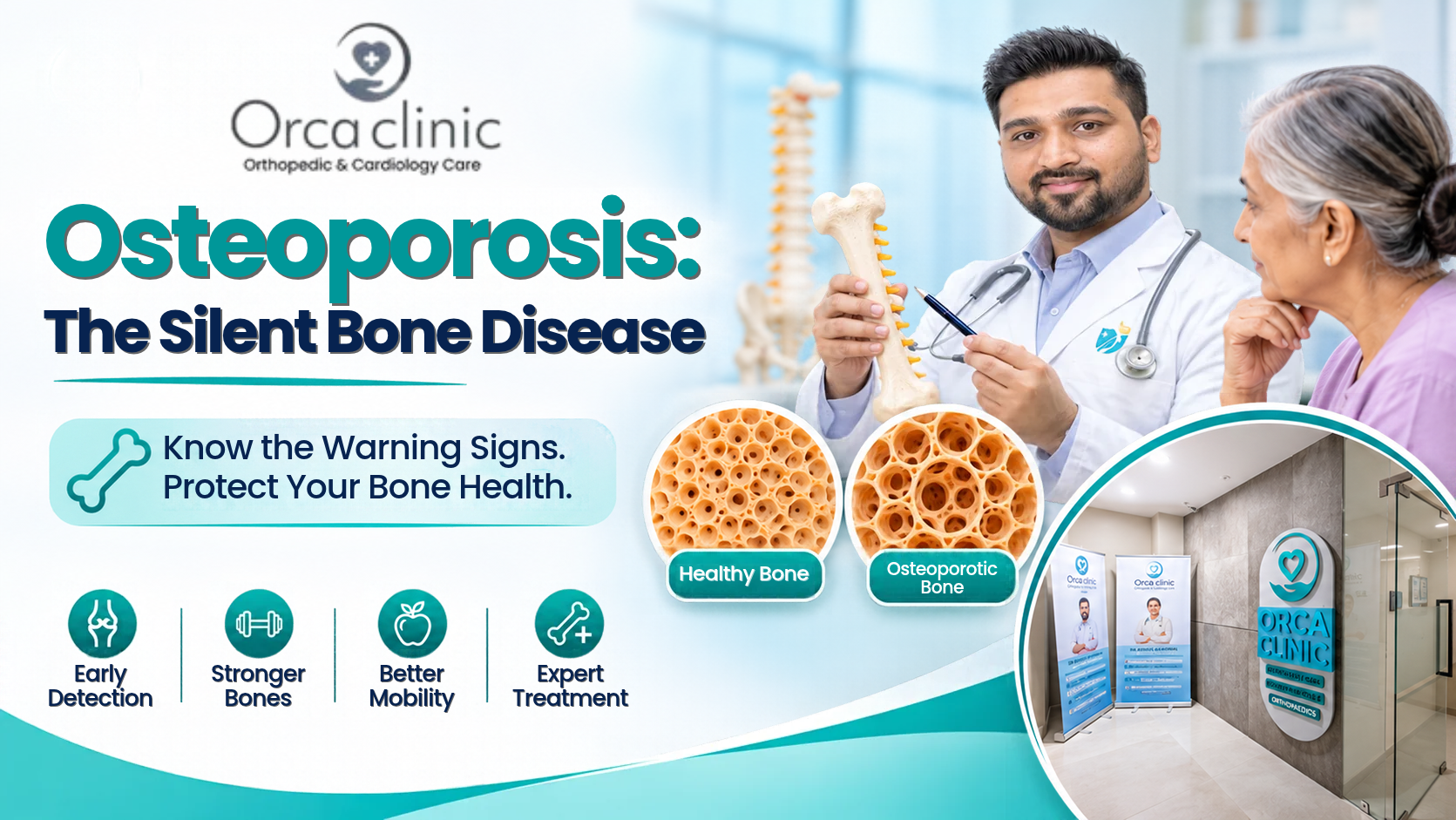
Osteoporosis: The Silent Bone Disease – Early Warning Signs, Risk Factors & Treatment Options
Strong bones are essential for maintaining an active, independent, and healthy life. They support your body, protect vital organs, and allow you to perform everyday activities with ease. However, as we grow older, our bones may gradually lose their strength and density without showing any noticeable symptoms.
One such condition is osteoporosis, often known as the silent bone disease.
Many people do not realise they have osteoporosis until they experience a fracture following a minor fall or injury. This makes early awareness, timely diagnosis, and appropriate treatment extremely important.
If you are concerned about your bone health and looking for expert orthopedic care in Guwahati, understanding osteoporosis can help you take the right steps before the condition affects your mobility and quality of life.
In this guide, we will explore the causes, risk factors, warning signs, diagnosis, and treatment options for osteoporosis.
What Is Osteoporosis?
Osteoporosis is a medical condition in which bones become weak and fragile due to reduced bone density and changes in bone structure.
Healthy bones continuously undergo a natural process of breakdown and rebuilding. When bone loss happens faster than new bone formation, bones gradually become less dense and more vulnerable to fractures.
Osteoporosis commonly affects the:
- Hip bones
- Spine
- Wrist
- Other weight-bearing bones
One of the biggest challenges is that osteoporosis usually develops without noticeable symptoms. A person may continue their daily activities without knowing that their bones are gradually becoming weaker.
This is why preventive care and appropriate medical evaluation are important, particularly for individuals with multiple risk factors.
What Are the Common Risk Factors for Osteoporosis?
Osteoporosis can affect both men and women, although certain groups have a higher risk.
Understanding these factors can help you recognise whether you may need a bone health assessment.
1. Ageing
Bone density naturally changes with age. As people grow older, bone breakdown may gradually exceed bone formation, increasing the possibility of osteoporosis.
Older adults should pay attention to their bone health, especially if they have experienced previous fractures.
2. Hormonal Changes
Hormonal changes can significantly affect bone strength.
Women may experience faster bone loss after menopause because of declining oestrogen levels. Men with certain hormonal conditions may also develop osteoporosis.
3. Family History
Genetics can influence bone density and fracture risk.
If your parents or close family members have experienced osteoporosis or hip fractures, discussing your bone health with an orthopedic specialist may be beneficial.
4. Nutritional Deficiencies
Calcium and vitamin D play important roles in maintaining healthy bones.
Insufficient intake of these nutrients, along with inadequate protein consumption, may contribute to poor bone health over time.
5. Lack of Physical Activity
A sedentary lifestyle can affect bone strength and muscle function.
Regular weight-bearing and resistance exercises, when appropriate for your health, help support bone and muscle strength.
6. Certain Medical Conditions and Medications
Some medical conditions, including rheumatoid arthritis and hormonal disorders, may increase osteoporosis risk.
Long-term use of certain medications, particularly corticosteroids, can also contribute to bone loss.
Patients taking such medications should discuss potential bone-related risks with their treating doctor.
What Are the Early Warning Signs of Osteoporosis?
Osteoporosis is often called a silent condition because it generally does not cause symptoms until a fracture occurs.
However, certain changes may indicate underlying bone problems or possible spinal fractures.
Watch out for:
1. Frequent Fractures
Experiencing a fracture after a minor fall or relatively small impact may indicate weakened bones.
Such fractures should not be ignored, particularly in older adults.
2. Persistent Back Pain
Sudden or persistent back pain, especially in someone with osteoporosis risk factors, may sometimes indicate a spinal compression fracture.
A medical evaluation can help identify the underlying cause.
3. Loss of Height
Gradual loss of height over time may occur due to compression fractures in the spine.
If you notice a significant change in your height, consult a healthcare professional.
4. Changes in Posture
A stooped or hunched posture can sometimes develop when spinal bones become weakened or compressed.
This should be evaluated rather than dismissed as a normal part of ageing.
5. Reduced Mobility
Weak bones, previous fractures, and associated pain may affect walking, balance, and everyday movement.
Early assessment can help identify the problem and guide appropriate treatment.
How Is Osteoporosis Diagnosed?
Early diagnosis plays an important role in preventing complications.
An orthopedic specialist may evaluate your medical history, lifestyle, previous fractures, family history, and other risk factors.
Depending on your condition, the doctor may recommend the following investigations.
1. Bone Mineral Density Test (BMD)
A Bone Mineral Density test measures the amount of minerals present in your bones.
It helps identify low bone density and assess the risk of future fractures.
2. DEXA Scan
Dual-Energy X-ray Absorptiometry (DEXA or DXA) is a commonly used test for diagnosing osteoporosis.
It generally measures bone density at the hip and spine and helps doctors assess bone strength.
3. Blood Investigations
Your doctor may recommend blood tests to evaluate calcium, vitamin D, or other factors that could contribute to bone loss.
These investigations help identify possible underlying causes and guide treatment decisions.
Not everyone requires the same tests. The appropriate investigations depend on individual symptoms, age, medical history, and risk factors.
What Are the Treatment Options for Osteoporosis?
Osteoporosis treatment focuses on slowing bone loss, maintaining bone strength, and reducing the risk of fractures.
The treatment plan depends on the severity of the condition, age, overall health, and individual fracture risk.
Common treatment approaches include:
1. Medication
Doctors may prescribe medicines that help slow bone loss or improve bone strength.
The choice of medication depends on the patient’s medical history and fracture risk.
Never start or discontinue osteoporosis medication without medical advice.
2. Calcium and Vitamin D
Adequate calcium and vitamin D are important for maintaining bone health.
Your doctor may recommend dietary improvements or supplements depending on your nutritional intake and medical requirements.
3. Exercise and Physical Activity
Appropriate physical activity helps maintain muscle strength, balance, and mobility.
Depending on your condition, your doctor or physiotherapist may recommend:
- Walking
- Strength training
- Balance exercises
- Suitable resistance exercises
People with established osteoporosis should avoid activities that may place excessive strain on fragile bones unless cleared by their healthcare professional.
4. Fall Prevention
Preventing falls is an important part of osteoporosis management.
Simple precautions include:
- Keeping floors free from obstacles.
- Using adequate lighting at home.
- Wearing comfortable, supportive footwear.
- Installing handrails where necessary.
- Improving balance and muscle strength through suitable exercises.
These measures can help reduce the risk of injuries and fractures.
How Can You Maintain Healthy Bones?
Taking care of your bones should begin long before osteoporosis develops.
Here are some practical habits that can support long-term bone health:
Eat a Balanced Diet: Include calcium-rich foods such as milk, curd, paneer, green leafy vegetables, and other nutritious foods.
Get Adequate Vitamin D: Vitamin D supports calcium absorption. Discuss your requirements with your doctor, particularly if you have a deficiency.
Stay Physically Active: Regular, suitable exercise supports bone and muscle health.
Avoid Smoking: Smoking is associated with an increased risk of weakened bones.
Monitor Your Health: Regular medical check-ups can help identify conditions and medications that may affect bone density.
Do Not Ignore Minor Fractures: A fracture following a minor fall deserves proper evaluation, especially in older adults.
Remember, bone health is a long-term commitment, not something to focus on only after an injury.
When Should You Consult an Orthopedic Specialist?
You should consider consulting an orthopedic specialist if you experience:
- Repeated fractures following minor injuries.
- Sudden or unexplained back pain.
- Noticeable loss of height.
- Changes in spinal posture.
- Difficulty maintaining balance or mobility.
- A previous diagnosis of low bone density.
- Risk factors such as menopause, long-term corticosteroid use, or a family history of osteoporosis.
Timely medical evaluation can help identify the underlying problem and determine the most appropriate treatment.
Why Choose Orca Clinic for Orthopedic Care in Guwahati?
Bone health requires careful evaluation, an accurate diagnosis, and an individualised treatment approach.
At Orca Clinic, Guwahati, we provide specialised orthopedic care for patients experiencing joint problems, arthritis, osteoporosis, sports injuries, and fractures.
Led by experienced medical professionals, our clinic focuses on understanding each patient’s condition and recommending appropriate treatment options.
Our orthopedic care includes:
- Arthritis and osteoporosis care.
- Trauma and fracture treatment.
- Sports injury management.
- Joint replacement surgery.
- Personalised orthopedic evaluation.
Whether you are experiencing persistent bone-related concerns or want to understand your risk factors, seeking professional guidance can help you make informed decisions about your health.
Frequently Asked Questions (FAQs)
1. What is the first sign of osteoporosis?
Osteoporosis generally does not produce noticeable early symptoms. In many cases, the first indication is a fracture following a minor fall. Spinal compression fractures may also cause sudden back pain or changes in posture.
2. Can osteoporosis be treated without surgery?
Yes. Many patients with osteoporosis can be managed without surgery through prescribed medication, nutritional support, suitable exercises, and fall-prevention measures. Treatment depends on the severity of the condition.
3. Who is at a higher risk of developing osteoporosis?
Older adults, postmenopausal women, individuals with a family history of osteoporosis, people with certain hormonal conditions, and those taking long-term corticosteroids may have an increased risk.
4. Is osteoporosis common in women after menopause?
Women may experience faster bone loss after menopause because of declining oestrogen levels. However, osteoporosis can affect men and women of different age groups.
5. Which test is used to diagnose osteoporosis?
A DEXA scan is one of the most commonly used tests to measure bone mineral density and diagnose osteoporosis.
6. Can walking help improve bone health?
Walking is a weight-bearing activity that supports bone and muscle health. However, people with established osteoporosis should follow an exercise plan appropriate to their condition and fracture risk.
7. When should I visit an orthopedic specialist in Guwahati?
If you experience unexplained back pain, repeated fractures, changes in posture, or have risk factors for osteoporosis, consider consulting an orthopedic specialist for an appropriate evaluation.
Take the First Step Towards Stronger Bones
Healthy bones are essential for maintaining independence, mobility, and an active lifestyle.
Although osteoporosis may develop silently, understanding its risk factors and recognising possible warning signs can help you seek medical attention at the right time.
Do not wait for a fracture to make bone health a priority.
Consult Orca Clinic in Guwahati for professional orthopedic guidance and personalised bone and joint care.
Your mobility matters. Take care of your bones today for a healthier tomorrow.